Types of Coffee
How to Make the Perfect Gibraltar Coffee
Make a Gibraltar at home: pull a double shot of espresso, steam milk and pour an equal amount into a small glass. Step-by-step guide.
Writer at Taste the Latte.
Make a Gibraltar at home: pull a double shot of espresso, steam milk and pour an equal amount into a small glass. Step-by-step guide.
Can you brew chocolate-covered coffee beans? You can try, but the chocolate gums up grinders and can burn. Here's what to expect.
The most common coffee pot mistakes, from skipping daily cleaning and descaling to using tap water and stale grounds, and how to fix them.
Most Keurigs last three to five years. Signs it's time for a new one, from leaks and odd noises to weaker, slower brews.
TSA doesn't limit coffee beans on a plane, but grounds over 12 oz. get screened separately and liquid coffee must be under 3.4 oz.
Yes, you can bring coffee beans or grounds on a plane in your carry-on or checked luggage. There are some tips to help the process go without any hiccups.
Brew coffee with water at 195 to 205°F, and drink it at around 120 to 140°F. Here's why temperature matters for taste.
People add salt to their coffee to neutralize any bitterness. Adding salt to bitter coffee helps balance the flavors and enhance the coffee's sweetness.
Yes, you can use an AeroPress to make tea. It's a relatively simple process using the inverted method. Continue reading to learn how.
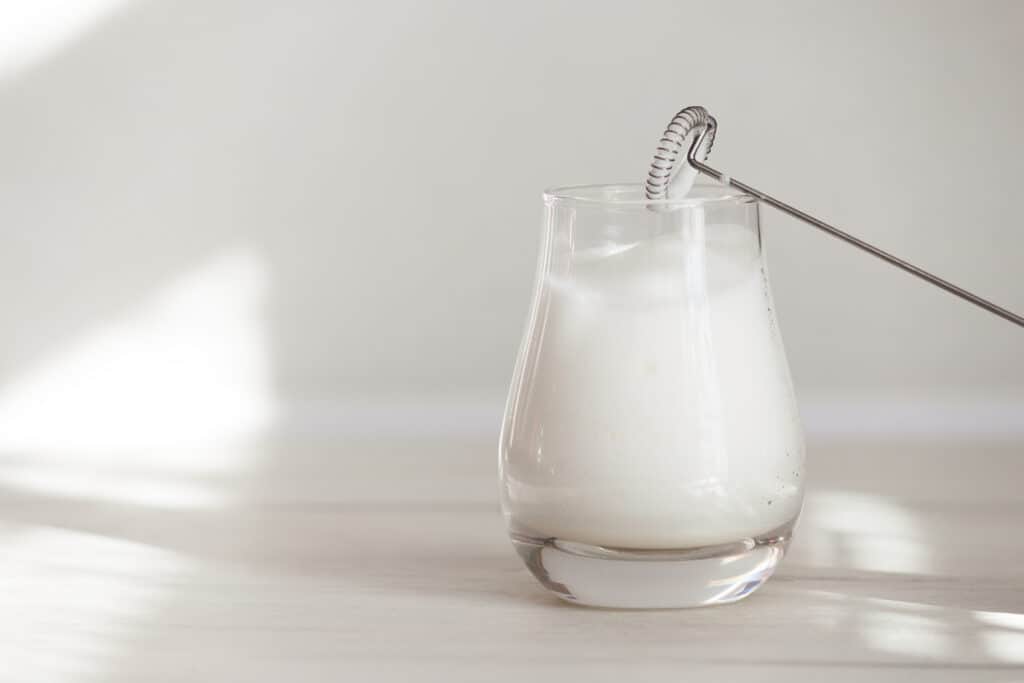
Ways to steam your milk without a steamer include the following: Milk frother , Handheld Whisk, French Press, and a Jar
A French press makes great loose-leaf and cold brew tea. Here's the right water temperature and steeping time for each kind of tea.
The best coffee for a French press is a fresh medium to dark roast, coarsely ground just before brewing, for a bold, full-bodied cup.
No vinegar? Clean your coffee maker with dish soap, baking soda, lemon juice, hydrogen peroxide, salt or a store-bought cleaning solution.
Most coffee makers grow mold if they aren't cleaned regularly, which makes coffee taste bitter. Signs to watch for and how to clean it out.
Clean your coffee maker about once a month and descale it every two months, more often with hard water or heavy use.
The Keurig Strong button slows the water through the pod, adding about 30 seconds of brew time to pull out bolder flavor.
Yes, many coffee filters can be reused several times before they stop working. Here's how to rinse, dry and reuse them safely.
Different Types of Coffee Filters: Paper Filters, Metal Filters, Cloth Filters, Cone Filters, Basket Filters, Disc Filters
Frothed milk is milk whipped with air into a light foam for lattes and cappuccinos. How it differs from steamed milk and how to make it.
Vietnamese coffee is stronger and heavier than regular coffee, brewed through a phin filter and sweetened with condensed milk.
Distilled water isn't best for coffee. It lacks the minerals that bring out flavor and can corrode your machine. What to use instead.
Coffee almost always has more caffeine than the same size cup of tea, but brew time and processing matter. Here's how they compare.
Don't toss used coffee grounds. Eight smart uses: compost, bug repellent, odor eater, skin scrub, furniture dye, candles and scrubbing pans.
Sour, salty or soapy coffee is under-extracted; burnt, bitter or metallic coffee is over-extracted. How to tell and how to fix each one.
Coffee bubbles when poured because of carbon dioxide trapped in the beans during roasting. What the bubbles say about freshness.
Light roasts taste bright and acidic, medium roasts smooth and balanced, dark roasts bold and smoky. How roast level changes your cup.
Yes, coffee grounds are great for compost. They add nitrogen and break down fast. Here's how much to add and what to avoid.
The best way to add cinnamon to coffee is to sprinkle it on top of the grounds before brewing, not mixed in, so it won't clog your machine.
Metallic-tasting coffee usually comes from your water, your machine or poorly roasted beans. How to find the cause and fix it.
Soapy coffee usually means a poorly rinsed brewer or mug, under-extraction, bad water or stale beans. How to fix it.
Coffee goes stale through oxidation when beans or grounds are exposed to air, heat and light. How to store coffee so it stays fresh.
Burnt-tasting coffee usually comes from over-roasted beans, stale grounds, over-extraction or a dirty machine. How to fix each one.
Sour coffee usually means stale or under-roasted beans or under-extraction. Six causes and how to fix each one.
Salty coffee is usually under-extracted: too little water, too coarse a grind or too short a brew. How to fix it.
Unopened dairy creamer lasts a couple of weeks past its date; once opened, one to two weeks in the fridge. Shelf life for every creamer type.
Signs your coffee creamer has gone bad: it's past its date, changed color, smells or tastes off, or has separated and turned lumpy.
Nespresso leaking? It's usually scale buildup, a blocked capsule holder or a problem in the machine base. How to find the leak and fix it.
Bitter coffee usually comes from low-quality beans or over-extraction. Use good Arabica beans and these brewing fixes for a smoother cup.
How many calories are in your coffee? Black coffee has almost none, but milk, sugar, creamer and syrups add up. How each add-in changes your cup.
A master roaster is an experienced coffee pro who turns green beans into specific roast and flavor profiles. What the job involves.
The best way to grind coffee is with a burr grinder, right before brewing, at the right size for your method. A quick guide.
The smoothest coffee comes from high-quality Arabica beans, usually a medium roast. More tips for a smooth, never-bitter cup.